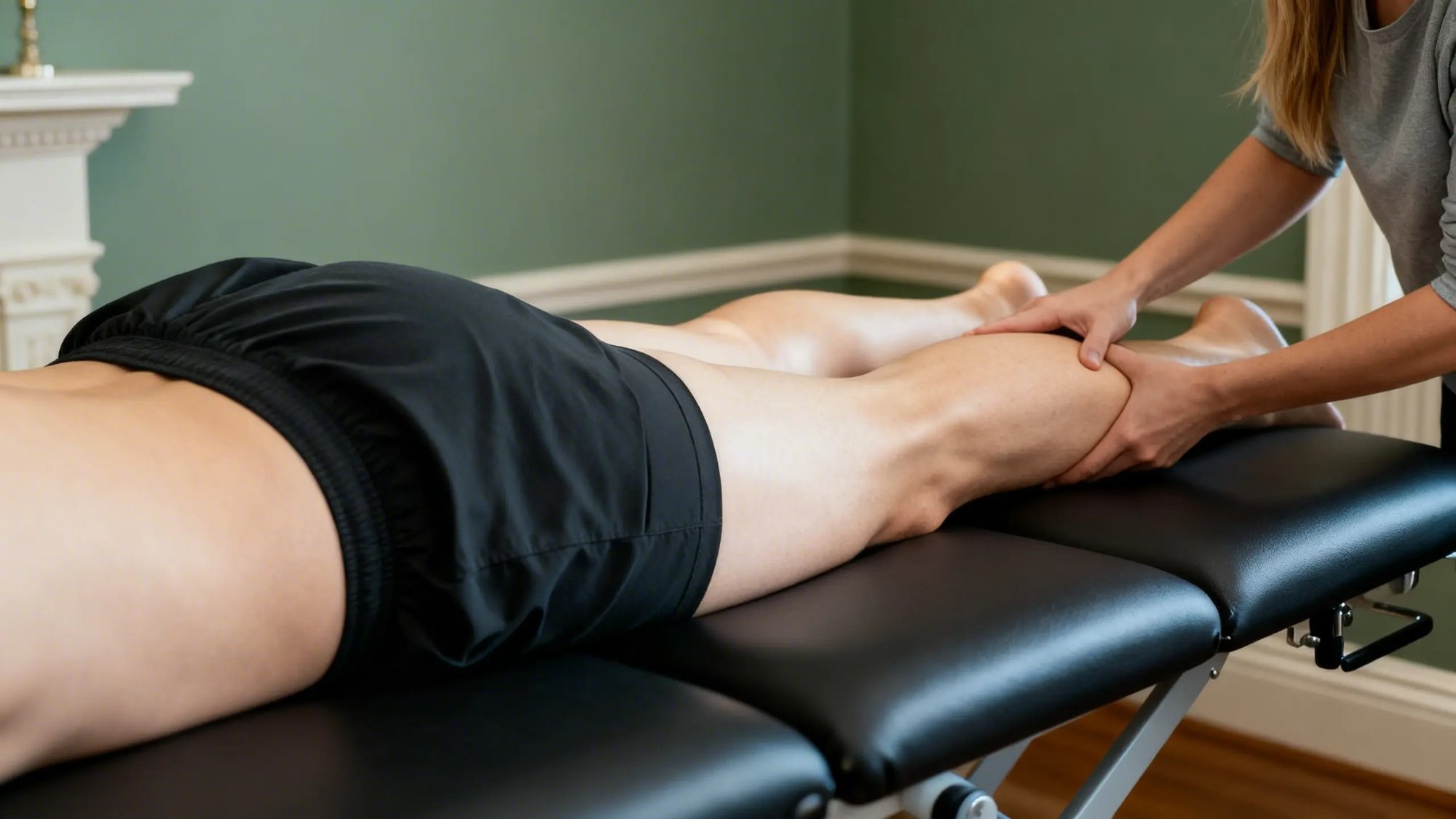
Sports Massage Bath: Beyond the Surface, Into the Cause
Sports massage that goes deeper than muscle tension. For athletes, active people, and anyone in Bath or Bristol whose pain keeps returning because the root cause has never been addressed.
20+Years Clinical Experience
5 YrsEverton FC Medical Team
30-50%Pain Reduction Session One
Why Sports Massage Is Temporary
Sports massage has a well-earned reputation for helping people move better and recover faster. But most people who arrive at Physology have already had it, sometimes repeatedly, and find themselves back in the same pain within days or weeks. The sessions feel good. The relief is real. But it does not last, and the underlying problem does not change.
The reason is that conventional sports massage works on the muscles. It increases circulation, reduces surface tension, and improves short-term movement quality. What it does not assess or address is the Fascial system underneath, the continuous web of connective tissue that surrounds every muscle and transmits tension across the entire body. When Fascial restriction is driving the problem, working on the muscle alone is working on the consequence, not the cause.
At Physology, based at WellBath Yoga and Wellbeing Centre on Woolley Lane in Bath, our sports massage approach is built on Fascial assessment first. We identify where in the connected system the restriction originates, treat it directly, and work through the related lines to restore balance through the whole body. We serve athletes and active people from across Bath, Bristol, Frome, Chippenham, and the wider Somerset and Avon area who need results that actually hold.
What Is Fascia and Why Does It Matter for Sports Massage?
Fascia is the connective tissue system that makes sports massage work at a deeper level when it is properly understood. It surrounds every muscle, wraps every joint, and connects structures across the whole body through continuous lines of tension. When a muscle is chronically tight, the restriction is almost always in the Fascial layer around it, not in the muscle fibre itself. This is why stretching and standard massage produce only temporary change.
In sport and high-demand physical activity, Fascial restriction accumulates through repetitive loading patterns, old injuries that were treated locally, and the postural compensations the body builds around them over time. The Fascial system adapts and holds those compensations long after the original injury has healed. That is why a hamstring that has been repeatedly treated keeps coming back, or why a shoulder problem that was resolved returns when training load increases.
We have been working at Premier League level since 2013, beginning with Everton FC's first team medical staff and continuing today in direct work with elite players. The game has changed and many players now work with their own medical teams outside the club structure. We work directly with those players, which means the same standard that once kept a first team squad available for selection through a full season continues to inform everything we do in Bath. Elite sport has zero tolerance for incomplete assessment. That standard has never changed.
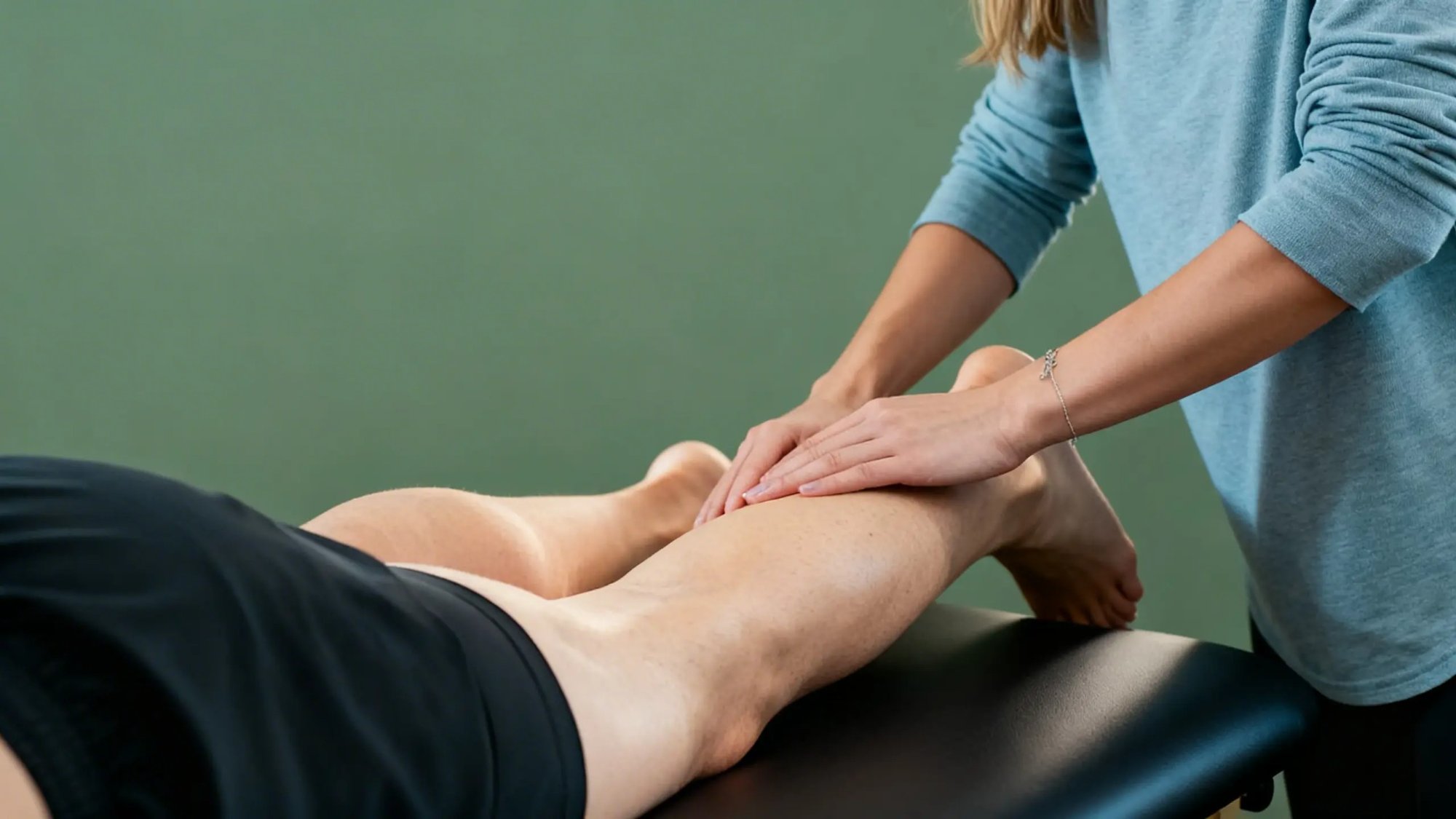
Every session at Physology begins with an Anatomy Trains assessment. Before hands-on work starts, we map the whole Fascial system to understand how your body is holding itself, where the primary restrictions are sitting, and how they connect to the area giving you trouble. A tight calf that keeps pulling may be driven by restriction in the hamstring chain or the plantar Fascia. A recurring shoulder problem may have its source in the chest and opposite hip through the Spiral Line. Treating the symptom without understanding the chain produces exactly the temporary results most people are used to.
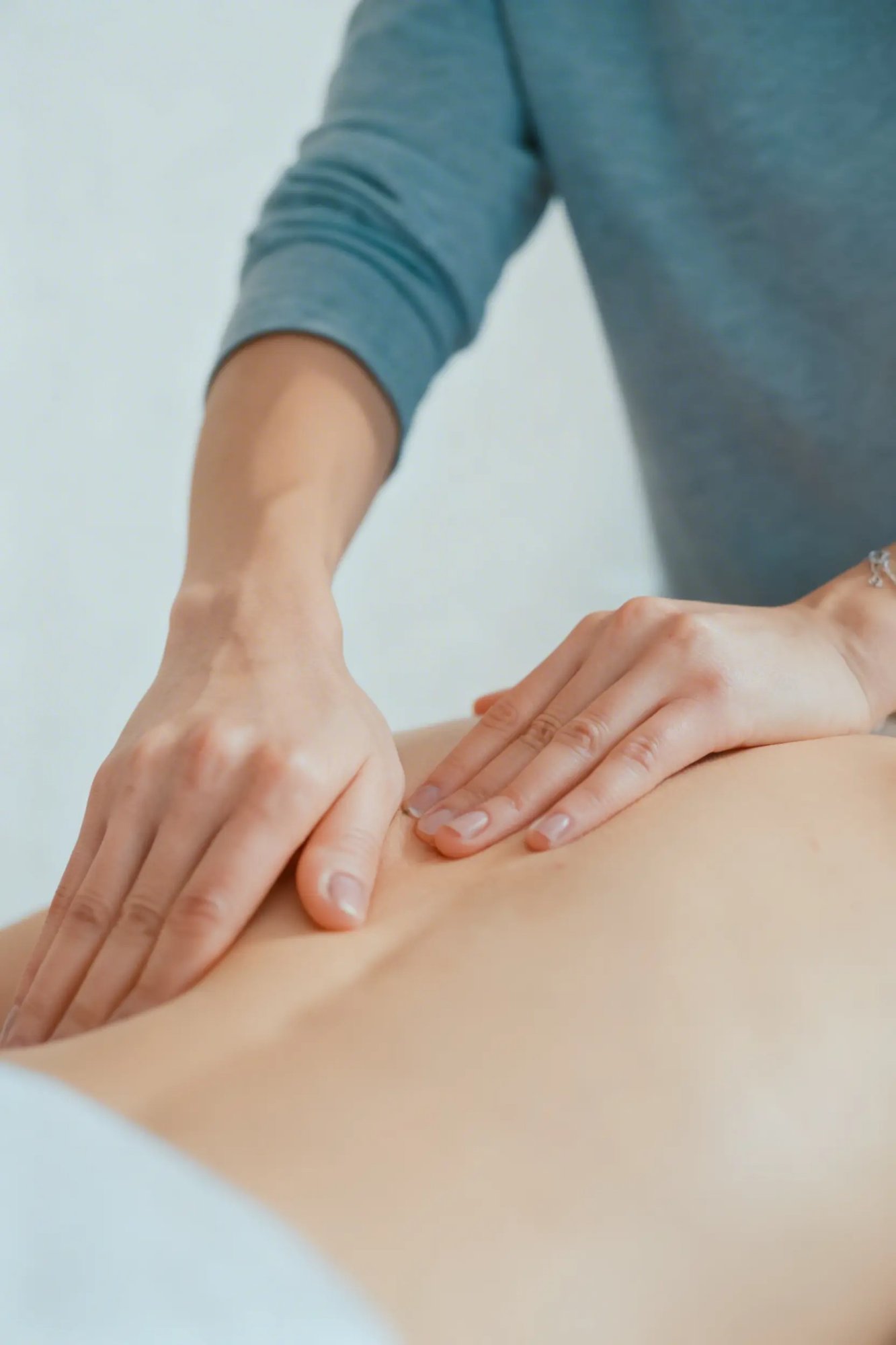
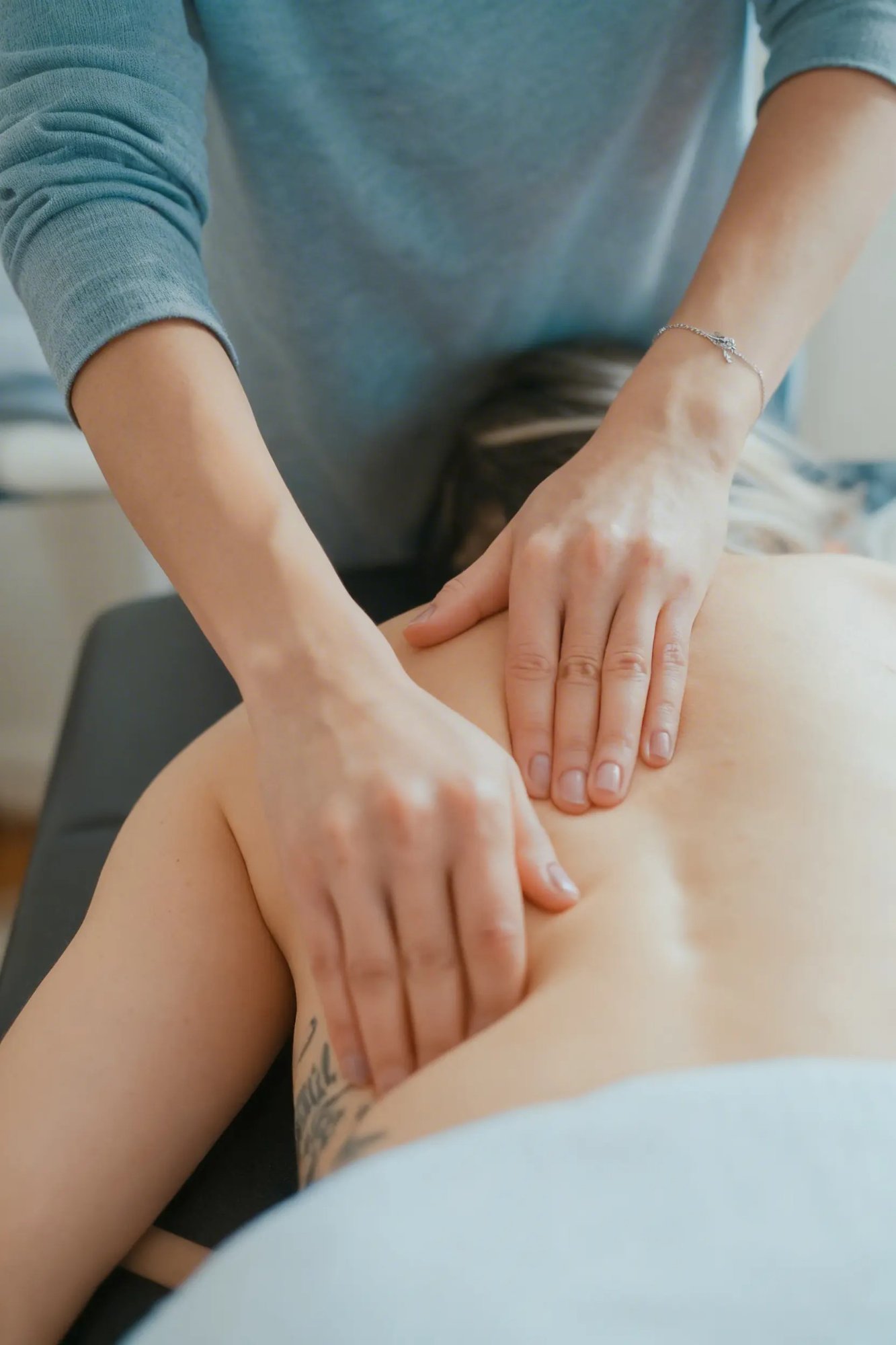
The hands-on work itself uses sustained Fascial release techniques alongside sports massage methods, targeting the primary restriction and then working through the connected lines. The result is a treatment that produces measurable, lasting change rather than temporary relief. Most patients notice a 30 to 50 percent improvement in the area we work on within the first session.
A recurring sports injury is almost always a Fascial problem. The muscle has been treated. The restriction driving the muscle into dysfunction has not.
Conventional Sports Massage vs the Physology Approach
Conventional approach
The Physology approach
Works on the muscle layer
Works on the Fascial system and muscle together
Treats the site of pain
Maps the full restriction pattern from origin to symptom
Temporary relief for most chronic patients
Lasting resolution when the full pattern is addressed
No postural or movement assessment
Full Fascial assessment before any hands-on work
No explanation of the cause
Full explanation of what has been happening and why
Generic treatment protocol
Specific map derived from your individual restriction pattern
A Closer Look at How Your Pain Really Looks
This dissection clip from Anatomy Trains shows what Fascial restriction actually looks like in the body. For anyone who has had sports massage that works temporarily but does not hold, this is the tissue that has not been addressed. When it releases properly, the change is immediate and the results last.
Anatomy Trains dissection series, showing Fascial tissue at the site of restriction
The sports massage practitioners we have worked alongside in elite sport all describe the same shift when they begin working with Fascia properly: they stop chasing the pain and start finding the source. The results change entirely.
What Conditions Respond to Fascia-Based Sports Massage?
Our sports massage work in Bath covers the full range of musculoskeletal conditions, from acute sports injuries being managed through recovery to chronic pain patterns that have persisted despite repeated conventional treatment. The conditions we see most consistently include hamstring injuries and recurring tightness, lower back pain related to sport or training, shoulder impingement and rotator cuff problems, IT band syndrome and knee pain, plantar fasciitis and Achilles issues, and hip flexor restriction affecting gait and performance.
We also work extensively with non-athletes who carry the physical demands of physically active jobs, or who have developed chronic pain patterns through prolonged sitting, postural loading, or the accumulation of old injuries. The Fascial approach works equally well across all of these presentations because the mechanism is the same: restriction in the connected system, building compensation, generating pain at the weakest point in the chain.
Our ongoing work with Premier League players is not something we reference for status. We reference it because it is the clearest demonstration that this approach works under the most demanding conditions possible. Professional football is where incomplete treatment produces immediate, visible, costly consequences. The Physology sports massage approach has been meeting that standard since 2013 and continues to do so.
Sports Massage in Bath and Bristol
Physology is located at WellBath Yoga and Wellbeing Centre, Woolley Lane, Bath BA1 8BA. We see patients seeking sports massage from across Bath and North East Somerset, Bristol, Wells, Frome, Chippenham, Trowbridge, and further afield who are looking for a Fascia-based approach that is not available through standard sports therapy clinics.
If you have searched for sports massage Bath, sports therapy Bath, or sports massage near me and are specifically looking for treatment that addresses recurring problems rather than managing symptoms session by session, Physology is built for exactly that. Our assessment process identifies the pattern behind the recurrence and addresses it directly.
Sessions are two hours for the initial consultation and typically sixty to ninety minutes for follow-up treatment. We do not use a high-volume appointment model. Every patient receives the full assessment their situation requires.
What Patients Say
★★★★★
"I had physio, treatments, sports massage, and scans from professional sports clubs and through the NHS over several years. None of them helped. Once I met James and Physology, it was literally the first session."
Alger — Lower back pain since teens
Pain free. Has been ever since
★★★★★
"I suffered with constant overuse injuries for two years before I hired James. Since I started working with him I have stayed injury free for over 3 years."
Tom Bosworth MBE — GB Olympic Race Walker
3 British records broken. Third fastest British man in history
★★★★★
"He was a breath of fresh air in terms of how he assessed and treated the injury. I went from hardly being able to walk to playing football again within about 2 months."
Chris Quinlan — Back injury from football
Back playing football in 2 months
If what you have read describes your experience, a conversation costs nothing.
Your first session at Physology in Bath is two hours. That time is structured to give you what shorter appointments have not: a complete picture of what is actually driving your pain or recurring injury, and a clear plan for resolving it.
1
Your Full History
We start with your complete story: every injury, every treatment, every pattern you have noticed. In sport and physical activity, the history is where the Fascial compensation pattern is revealed. What went wrong first, what adapted around it, and how that chain has produced your current situation.
2
Whole-Body Fascial Assessment
Using the Anatomy Trains framework, we assess your posture and movement across the whole system to identify the primary Fascial restrictions and map how they relate to your symptoms. We explain everything clearly as we go, making specific what you have already read about in general terms.
3
Understanding Your Pattern
By the end of the assessment you will understand exactly why your injury keeps recurring, or why your pain has not resolved. You will see the chain of restriction and compensation clearly mapped. Most people describe this as the first moment they have actually understood their own body.
4
First Hands-On Treatment
We treat in the first session, targeting the primary restriction with Fascial release and sports massage techniques. We typically see a 30 to 50 percent reduction in pain or restriction in the first session. Most patients are pain-free within four to eight sessions with clear improvement each time.
5
Your Treatment Plan
You leave with a structured plan that shows you exactly how we will resolve the pattern, what to expect from each session, and what the timeline to pain-free or full recovery looks like for your specific situation.
Common Questions
Sports massage works on the muscle layer. It increases circulation, reduces surface tension, and improves short-term movement quality. What it cannot reach is the Fascial restriction underneath that is driving the pattern. When Fascial restriction is the source, the muscle returns to its restricted state quickly because the tissue maintaining the restriction has not been addressed.
The assessment comes first. Before any hands-on work begins, we map the whole Fascial system to identify where the restriction originates and how it connects to your symptoms. The sports massage we apply is then guided by that map, targeting the primary restriction rather than the area of pain. That distinction is the difference between temporary relief and lasting change.
Get in touch, tell us your symptoms and history, and we will tell you whether we can help and what treatment is likely to involve. Every presentation is different and we prefer to give you a clear, specific answer rather than a generic price list.
Because the approach is results-based, you will not need to guess. The change in session one is clear and measurable, and each subsequent session produces further improvement you can feel. Most patients are between 4 and 8 sessions in total. You will always know the treatment is working because you will feel the difference each time.
The first session is two hours. We begin with your full history, listening to everything about your pain, your previous treatment, and how it affects your life. We then carry out a complete whole-body Fascial assessment using the Anatomy Trains framework, explaining everything we find as we go. Treatment begins in the first session, and most patients leave with a measurable reduction in pain and a clear understanding of what has been driving their symptoms.
Physiotherapy assesses and treats the muscles and joints at the site of pain. It is skilled work and truly helps many presentations. What it does not assess is the Fascial system connecting those muscles and joints to the rest of the body. When chronic pain is driven by a Fascial restriction pattern that originated elsewhere in the system, local physiotherapy cannot reach the source. That is the gap Physology is designed to close.
Message us on WhatsApp with a brief description of your symptoms and how long you have been dealing with them. James responds to every message personally, usually the same day. He will tell you whether your presentation fits the pattern we treat and exactly what the first session will involve before you commit to anything. There is no obligation and no pressure. Send a message here.
Perspective
The Real Cost Is Everything You Have Already Spent
£10k+Typical specialist spend over 10 or more years of chronic pain
£2k+/yrOngoing medication and pain management costs
YearsLived in pain, doubt, and reduced quality of life
4 to 8Sessions to pain free with the Physology Method
Charlotte spent tens of thousands over 28 years before one session changed everything. The consultation is your chance to find out whether Fascia is the missing piece, with measurable proof on the day.
✓
The Physology Guarantee
If you do not feel a measurable reduction in pain in your first session, the consultation is free. No awkward conversations, no conditions. We are confident enough in what we do to put that in writing.
Physology Bath & Bristol
Ready to Resolve It Rather Than Manage It?
A Physology sports massage consultation in Bath gives you a Fascial assessment, a clear explanation of the pattern behind your injury or pain, and measurable improvement from the first session. Serving Bath, Bristol, and the surrounding area.
"I had physio, treatments, sports massage, and scans from professional sports clubs and through the NHS over several years. None of them helped. Once I met James and Physology, it was literally the first session."
Alger — Lower back pain since teens
Pain free. Has been ever since
P.S. If you have had sports massage repeatedly and the relief never lasts, you already know the source has not been reached. Get in touch and tell us what you are dealing with. We will tell you whether the Fascial assessment approach is likely to produce a different outcome for your specific presentation.
P.P.S.What Is Fascia? explains why sports massage works temporarily and what it cannot reach. The Physology Method covers the full assessment and treatment system that changes the outcome.